our mission :guarantee access to drinking water in households
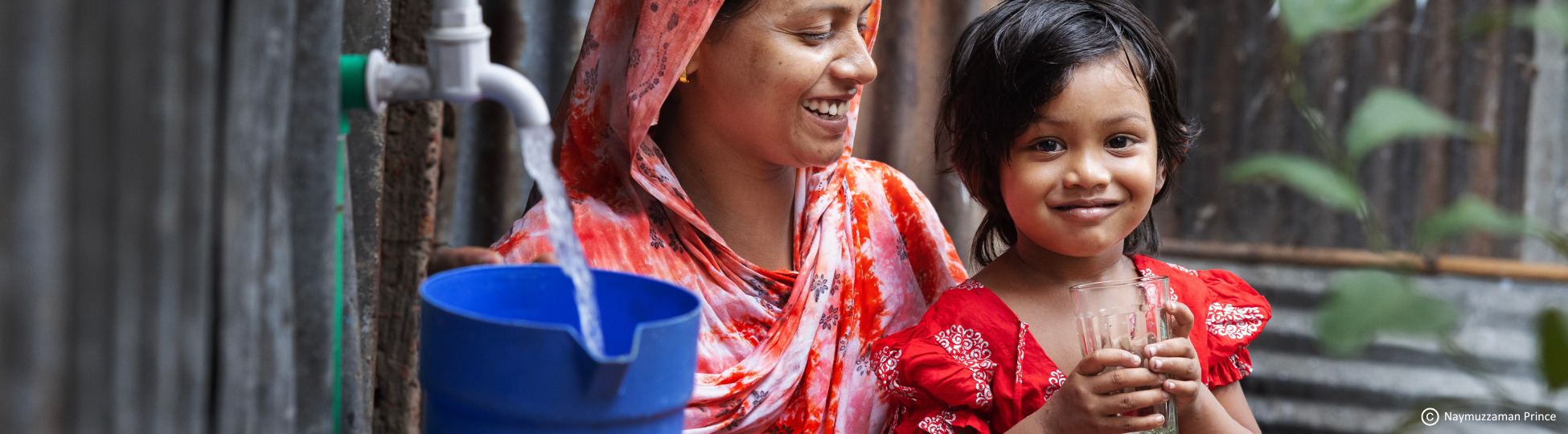
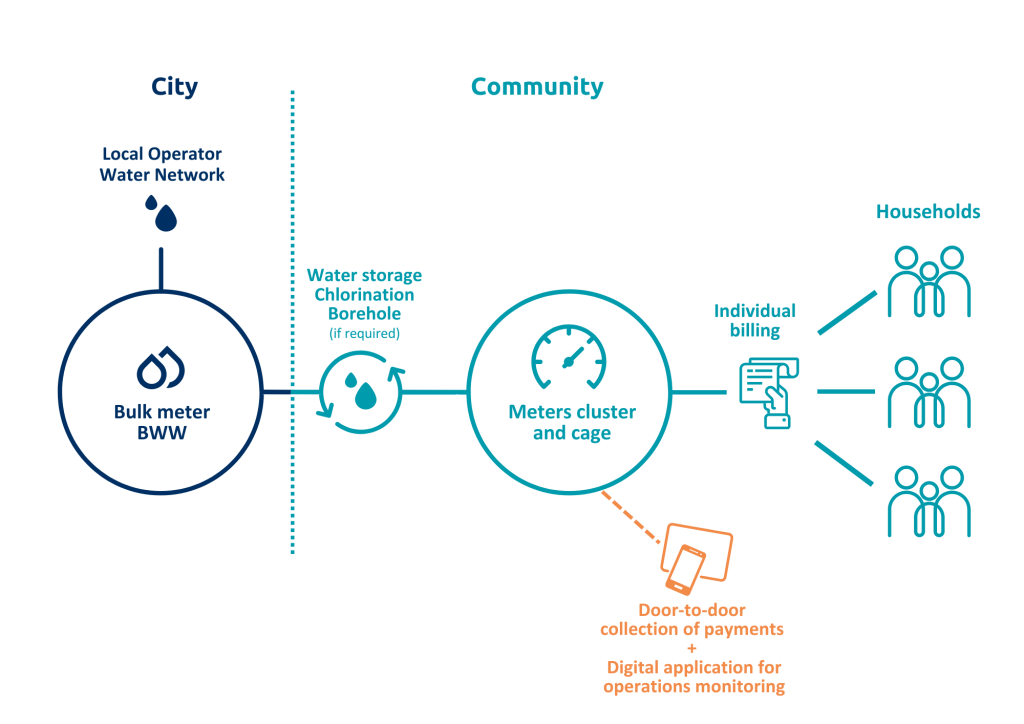
Instead of expensive and poor-quality water stored in dirty containers,each household is now connected to a drinking water network and has its own tap. A regular bill, based on actual consumption, is issued and paid during home collection. Quality tests are conducted regularly, which significantly improves the daily life, of families, especially women, and creates favorable conditions for development.
63 580
beneficiaries of access to running water since 2008
4 456
new beneficiaries of water access*
1,1
billion liters of water distributed*
The benefits
a guaranteed and legal access to drinking water
Provide a legal and local drinking water service, accessible 24/7, by simplifying administrative procedures.
improved living and health conditions for the entire community.
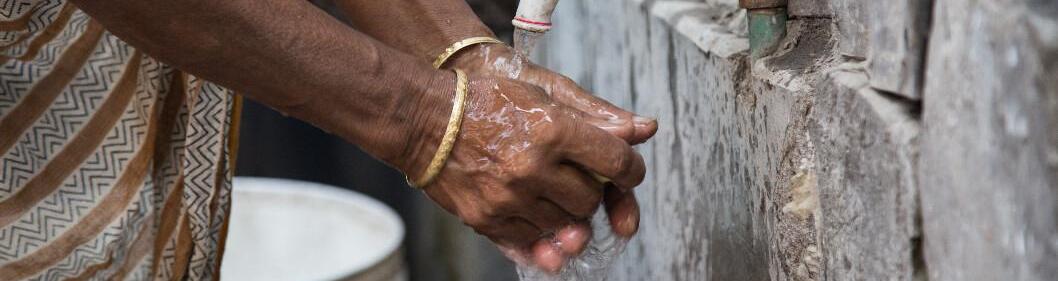
Having access to a secure home water network significantly reduces the risk of bacterial contamination and protects the health of residents, while also reducing neighborhood conflicts over water point management. Moreover, it allows women and children, who are often responsible for water fetching, to save time for education or income-generating activities.
a fair price and an adapted payment system.
Our service bill does not exceed 5% of the household income, and consumption-based billing ensures responsible management of water use while empowering the community. Furthermore, the BWW model offers a door-to-door weekly or bi-weekly payment system, unlike the monthly billing system used by traditional operators, which is not suited for low-income social classes.
implementation ofwater distribution network
better with water has developed an innovative water network model to provide running water to residents of slums.
… and then ?
To address complex challenges, better with water has developed a social entrepreneurship model that sustainably creates social value through the combined efforts of a local organization responsible for community support and a social enterprise providing local services. The enterprise is designed to generate long-term profits, which are reinvested into the social project.
Mandaue is located on Cebu Island, halfway between Manila (on Luzon) and Davao on Mindanao Island. It is situated in the heart of Cebu province and has been considered a highly urbanized city since 1991.
An island exposed to climate risks.
In November 2013, Haiyan, one of the most powerful typhoons ever recorded, struck the Philippine archipelago, particularly impacting the island of Leyte and the city of Tacloban. The United Nations estimated the death toll in Tacloban alone at over 10,000 people.